
Comprehensive vs Third Party Property vs Third Party Fire and Theft Car Insurance in Australia
A plain-English guide comparing Comprehensive, TPPD, and TPFT car insurance in Australia, what each covers and excludes, excess rules, and PDS checks.
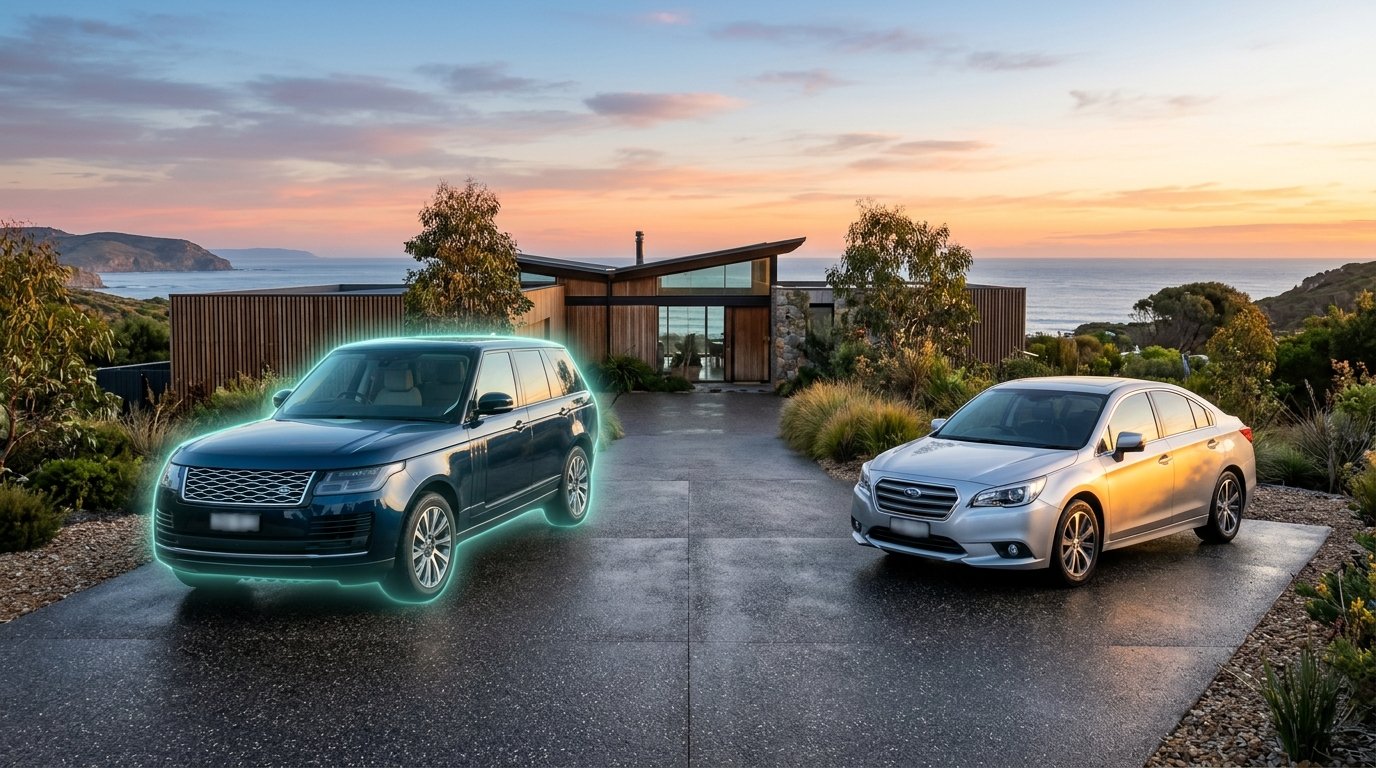
- Comprehensive: Covers accidental damage to your car (at-fault crashes, storms, flood, hail, fire, theft, vandalism) plus liability for damage you cause to others' property.
- Third Party Property Damage (TPPD): Covers damage you cause to other vehicles and property. Zero cover for repairs to your own car.
- Third Party Fire & Theft (TPFT): Covers damage to others' property, plus limited cover if your car is stolen or burned. Does not cover collision repairs to your car.
- Compulsory Third Party (CTP / Green Slip): Mandatory for registration. Compensates injured people only; zero cover for vehicle or property repairs.
Understanding Australia's Three Motor Insurance Tiers
In Australia, Compulsory Third Party (CTP) insurance is legally mandatory with registration. However, CTP covers only bodily injury compensation—it pays nothing toward repairing your car, other vehicles, or property.
To protect against vehicle repair bills, Australian drivers choose from three voluntary insurance tiers:
- Comprehensive: Broadest cover, protecting your vehicle and third-party property.
- Third Party Fire and Theft (TPFT): Mid-level cover for property liability, fire, and theft.
- Third Party Property Damage (TPPD): Entry-level cover for damage you cause to others.
Every insurer publishes its own Product Disclosure Statement (PDS), meaning terms, limits, and exclusions differ across policies.

Cover Comparison: Comprehensive vs Third Party
The table below illustrates typical cover across voluntary motor policies in Australia. Check your schedule for specific sub-limits.
| Cover Feature or Event | Comprehensive | Third Party Fire & Theft | Third Party Property Damage |
|---|---|---|---|
| Damage you cause to other vehicles & property | Covered (up to $20M) | Covered (up to $20M) | Covered (up to $20M) |
| At-fault collision damage to your car | Covered (subject to excess) | Not covered | Not covered |
| Fire, lightning & explosion damage | Covered | Covered | Not covered |
| Theft or attempted theft of your car | Covered | Covered | Not covered |
| Hail, storm, flood & weather damage | Covered | Not covered | Not covered |
| Vandalism & malicious damage | Covered | Not covered | Not covered |
| Hire car after theft | Standard with most insurers | Common | Not covered |
| Uninsured motorist extension | Included under own-damage | Capped (often $3k–$5k) | Capped (often $3k–$5k) |
| Typical relative premium cost | Highest | Moderate | Lowest |
Comprehensive Car Insurance: Broadest Protection
Comprehensive insurance covers accidental loss or damage to your vehicle regardless of fault, plus legal liability for damage caused to others' property.
Key Benefits
- Accidental Damage: Covers repairs or write-off settlement after collisions, storms, flood, hail, or single-vehicle accidents.
- Choice of Repairer: Many policies let you nominate your repairer; others use partner networks.
- Repair Guarantee: Authorised repairs are generally guaranteed for as long as you own the vehicle.
- Emergency Expenses: Sub-limits for towing, transport, or emergency accommodation away from home.
Common Exclusions to Check in Your PDS
- Unlisted Drivers: Additional excesses or denied cover if an unlisted driver under 25 was driving.
- Wear and Tear: Policies cover sudden accidental loss, not gradual rust, mechanical failure, or tyre wear.
- Undeclared Modifications: Unapproved performance upgrades or structural alterations can void claims.
- Illegal Operation: Excludes claims if driving under the influence or in an unroadworthy vehicle.
Third Party Property Damage (TPPD): Legal Liability Protection
TPPD protects you from legal liability if your vehicle damages others' property. Hitting an expensive car or shopfront can cause damage exceeding $50,000 to $100,000. Without TPPD, you are personally liable for these costs.
Key Aspects
- Liability Cover: Pays repairs for other vehicles and property, typically up to $20 million.
- Legal Costs: Covers legal representation if sued following a covered collision.
- No Own-Damage: Insurers pay nothing toward repairing your car if you cause a crash.
The Uninsured Motorist Extension
Many TPPD policies include a conditional uninsured motorist benefit (commonly $3,000 to $5,000) if an uninsured driver hits your car and is 100% at fault. To qualify, you must identify the at-fault driver (full name, address, phone, registration) and confirm they lack insurance. Unidentified hit-and-runs are not covered.
Third Party Fire and Theft (TPFT): The Middle Ground
Third Party Fire and Theft combines liability cover with financial protection if your car is stolen or damaged by fire.
When Motorists Consider TPFT
- Street Parking: Added protection if parking outside in areas with higher vehicle theft.
- Moderate-Value Cars: When comprehensive premiums feel disproportionate to car value, but theft would cause hardship.
- Bushfire-Prone Regions: Financial protection against total loss from fire or lightning strike.
TPFT does not cover at-fault collision damage to your vehicle, nor weather events like hail, storm, or flood.
How Policy Excess Differs Across Cover Tiers
An excess is the out-of-pocket contribution required when a claim is lodged:
- Comprehensive: You pay an excess when claiming for repairs to your car if at fault, or if the other driver is unidentified.
- Third Party: Excess applies only if a liability claim is made against you, or under an uninsured motorist benefit. You never pay an excess for your own repairs.
- Additional Excesses: Age, inexperienced, and unlisted driver excesses can apply on top of basic excess.
For full details on how excess stacks in Australian claims, read our guide to car insurance excess in Australia.
Checking Cover in Your Product Disclosure Statement (PDS)
While your policy schedule lists excesses and vehicle details, the PDS defines legal cover. Review:
- Agreed vs Market Value: Check whether settlement is a fixed agreed sum or depreciated market value.
- Excluded Uses: Confirm whether rideshare, delivery, or track use are excluded.
- Sub-Limits: Review caps on towing, hire car duration, and uninsured motorist cover.
- Driver Rules: Verify nominated driver restrictions and unlisted driver penalties.
Decode Your Policy Schedule Free
Upload your policy schedule or renewal notice to PolicyLens AU. Our free decoder highlights hidden excesses, sub-limits, and driver restrictions in seconds.
Upload your policy scheduleReady to compare policies?
When you are ready to compare policies, check comparison services directly and review their Financial Services Guide and Product Disclosure Statement. PolicyLens does not compare insurers or provide quotes.
Frequently Asked Questions
What is the difference between Comprehensive and Third Party Property car insurance in Australia?
Comprehensive car insurance covers accidental damage to other people's vehicles and property as well as your own vehicle, even if an accident is your fault, or if damage is caused by weather, fire, or theft. Third Party Property Damage covers only the damage you cause to other people's vehicles or property, leaving repair costs for your own vehicle entirely up to you.
Does Compulsory Third Party (CTP or Green Slip) cover vehicle damage?
No. Compulsory Third Party (CTP) insurance is legally mandatory for vehicle registration in Australia and only covers personal injury or death caused to other people in a motor accident. It provides zero cover for physical damage to vehicles or property.
What does Third Party Fire and Theft cover that basic Third Party doesn't?
Third Party Fire and Theft includes standard Third Party Property protection for damage caused to others, plus limited financial cover if your own vehicle is stolen or damaged by fire or lightning. It does not cover accidental collision damage to your vehicle if you cause a crash.
How does excess work under Comprehensive vs Third Party policies?
Under Comprehensive insurance, you pay an excess whenever a claim is lodged for repairs to your own car or third-party property where you are at fault or the at-fault driver cannot be identified. Under Third Party Property, an excess is generally only payable when a claim is made against you for damage to someone else's property, or under an uninsured motorist benefit.
Sources and further reading
ASIC General Advice Warning: General information only. Does not consider your objectives, financial situation, or needs. PolicyLens AU does not provide personal financial advice or recommend insurers. Before purchasing or renewing cover, review the relevant Product Disclosure Statement (PDS) and Target Market Determination (TMD) issued by the underwriter.